
Understanding empadronamiento: A key step for students in Spain
What is Empadronamiento?
Empadronamiento is the official process of registering your residence with the local town hall in Spain. It is a critical step for anyone living in the country, including international students. This registration allows the local government to keep track of the population and allocate resources accordingly. As a student, being empadronado can provide you with access to local services and benefits.
One of the main reasons students need to complete this process is to establish residency in Spain. This can be important for various legal and administrative purposes, such as applying for a student visa extension or accessing healthcare services. Moreover, it can also impact your ability to use certain public facilities or participate in local events.

Why is it Important for Students?
Empadronamiento is particularly important for students as it offers several benefits that can make their stay in Spain smoother and more enjoyable. Firstly, being registered can help simplify bureaucratic procedures. For example, if you need to apply for a NIE (Foreign Identification Number) or renew your student visa, having an empadronamiento certificate can be a crucial requirement.
Additionally, registering can grant you access to various public services. Many municipalities offer discounts on transportation and cultural activities for registered residents. Furthermore, if you plan to stay longer than six months, empadronamiento can be necessary to access public healthcare services, ensuring that you receive medical attention when needed.
Steps to Register
The process of registering is relatively straightforward but requires some preparation. To start, gather the necessary documents. Typically, you will need:
- Your passport or national ID.
- A rental contract or proof of address.
- Your student visa or residence permit.
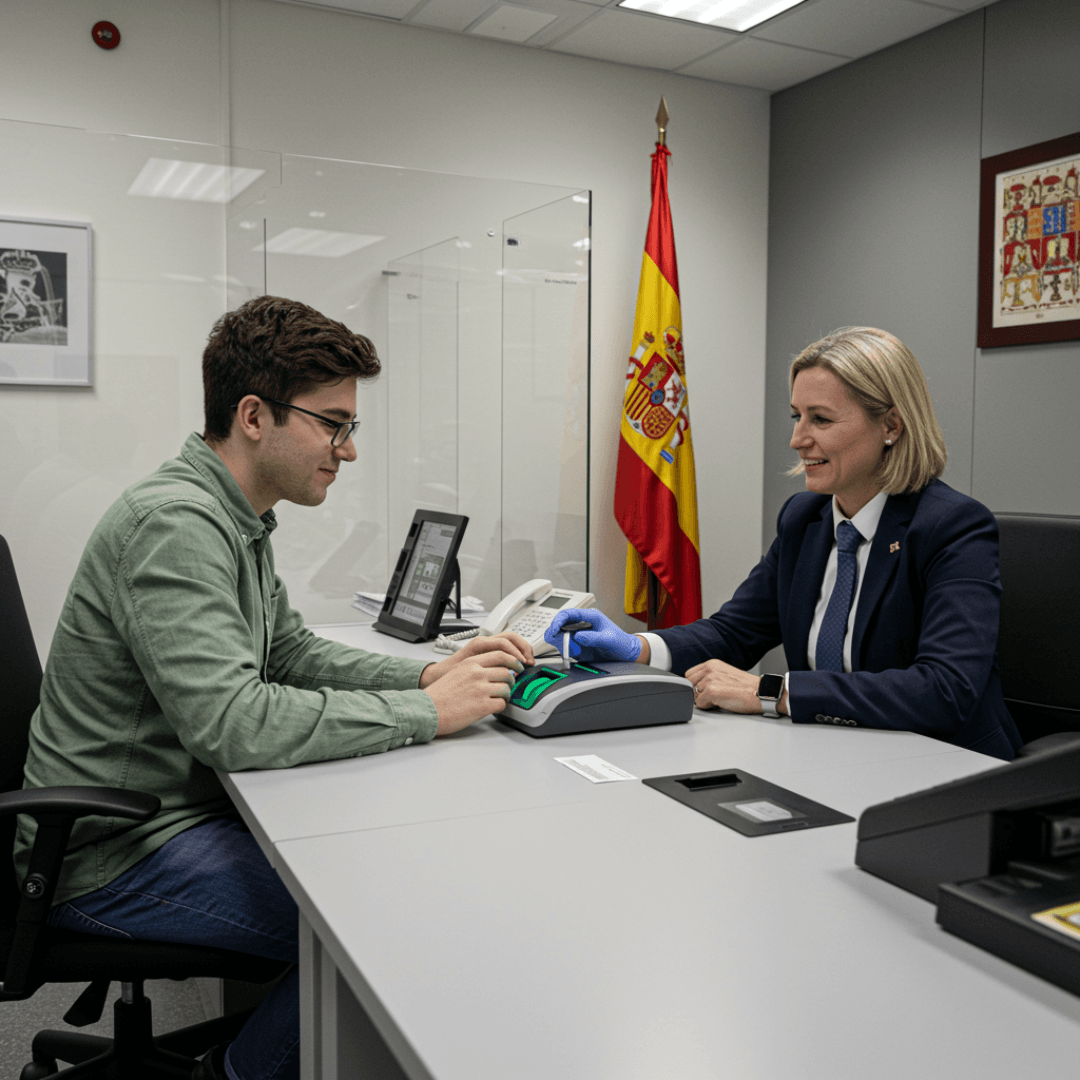
Once you have your documents ready, visit your local town hall (ayuntamiento). Depending on the municipality, you may need to schedule an appointment in advance. During your visit, submit your documents and complete the registration form. After processing, you will receive a certificado de empadronamiento, which serves as proof of your registration.

Challenges You Might Face
While the process is generally straightforward, students may encounter some challenges. Language barriers can be an issue for those who are not fluent in Spanish. It might be helpful to bring a Spanish-speaking friend or use translation apps during your visit to the town hall. Additionally, some students have reported difficulties in securing appointments due to high demand, especially in larger cities.
Ensure that all your documents are up-to-date and clearly legible to avoid any delays. If you face any issues, don't hesitate to seek assistance from your university's international office or local expat communities, which can often provide guidance and support.
Maintaining Your Registration
Once registered, it’s important to keep your empadronamiento details current. If you change your address or move to a different city within Spain, you must update your information with the local authorities. Failing to do so could result in complications with your residency status or access to services.
Empadronamiento is a crucial step for students planning to study in Spain. By understanding and completing this registration process, you can ensure that your time in Spain is both legally compliant and enjoyable. Take advantage of the benefits that come with being a registered resident and make the most of your educational experience abroad.